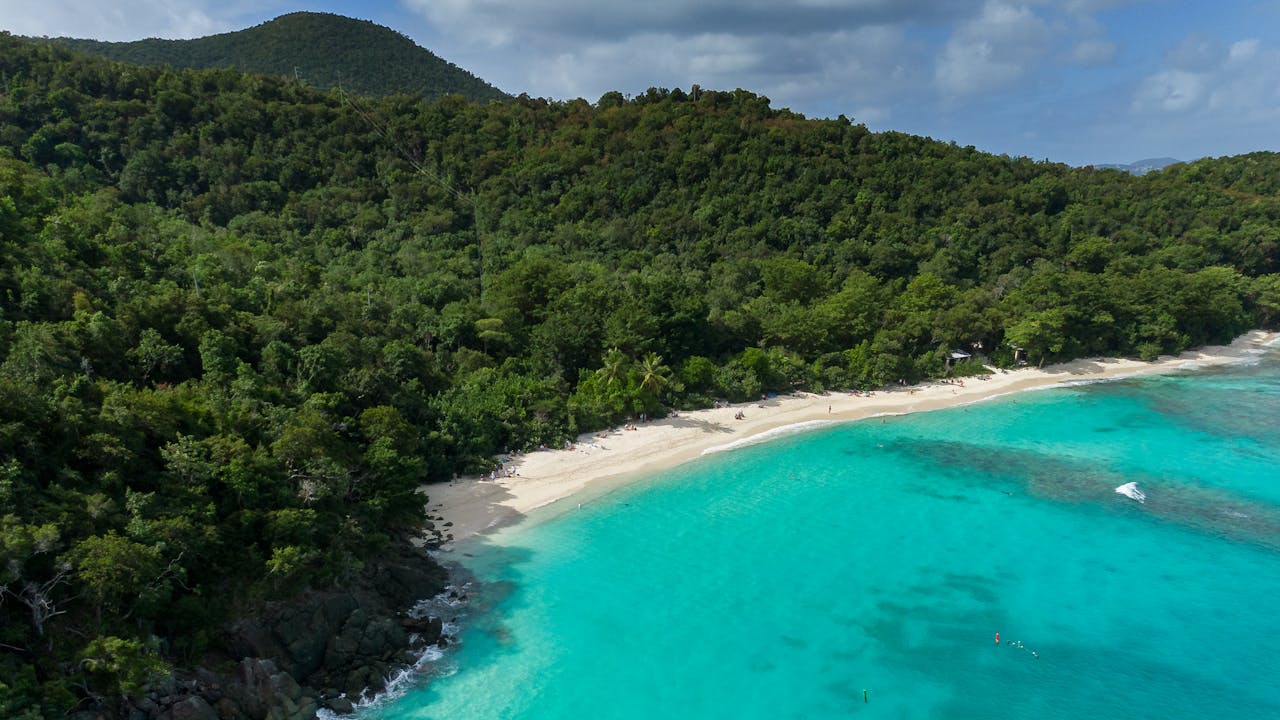

The preservation of Perseverance Bay on St. Thomas reinforces the island’s natural defenses against increasingly severe storms and rising sea levels, providing critical protection for coastal communities and infrastructure across the territory.
As climate change intensifies weather patterns in the Atlantic basin, coastal ecosystems that buffer populated areas have become essential infrastructure for Caribbean islands. For St. Thomas residents, the stakes are particularly high. Storm surge, flooding, and erosion threaten homes, businesses, and the tourism economy that supports thousands of families. Protecting natural coastal features like Perseverance Bay directly reduces those risks and strengthens community safety.
Coastal bays and wetland systems act as natural sponges, absorbing wave energy and storm surge before they reach populated shorelines. The vegetation and shallow water environments found in preserved bays slow incoming water, reducing flood velocity and depth. This buffering effect has proven invaluable in hurricane-prone regions, where even modest reductions in water level can prevent catastrophic damage.
Perseverance Bay’s ecological health also supports the marine environment that underpins the USVI’s fishing and tourism sectors. Fish nurseries, mangrove habitats, and seagrass beds provide spawning grounds for commercially important species. When these ecosystems remain intact, fish populations thrive, supporting local fishing operations and the restaurants and markets that depend on seafood supply.
The bay’s preservation represents a shift toward recognizing natural systems as infrastructure investments rather than lands available for development. This approach has gained traction globally as municipalities calculate the cost-benefit analysis of wetland protection versus building seawalls and drainage systems. Maintaining existing natural features typically costs far less than engineering replacements while delivering multiple benefits including water filtration, wildlife habitat, and recreational access.
For St. Thomas specifically, the preservation decision carries economic implications beyond immediate storm protection. Insurance companies increasingly factor in natural coastal defenses when calculating risk premiums. Communities with healthy ecosystems may see lower property insurance costs, making homes and businesses more affordable. The tourism industry also benefits from intact natural landscapes that draw visitors seeking authentic Caribbean experiences.
Residents of coastal neighborhoods from Frenchtown to Red Hook stand to benefit directly from enhanced storm resilience. Families who have endured multiple hurricane seasons know the vulnerability of unprotected shorelines. Children growing up on St. Thomas will inherit an island better equipped to withstand the climate challenges ahead if coastal protection receives sustained priority today.
The preservation of Perseverance Bay demonstrates that island leadership recognizes the urgency of climate adaptation. The decision to protect rather than develop sends a message that long-term community welfare takes precedence over short-term development profits. Residents watching policy decisions should expect similar commitments to protecting other critical coastal areas across St. Thomas and the broader USVI.
Looking forward, sustained monitoring and management of preserved coastal ecosystems will determine their effectiveness. Invasive species, pollution, and inappropriate access can degrade even protected areas. Community engagement in stewardship—whether through volunteer cleanups, educational programs, or reporting violations—strengthens outcomes and builds collective investment in coastal resilience.