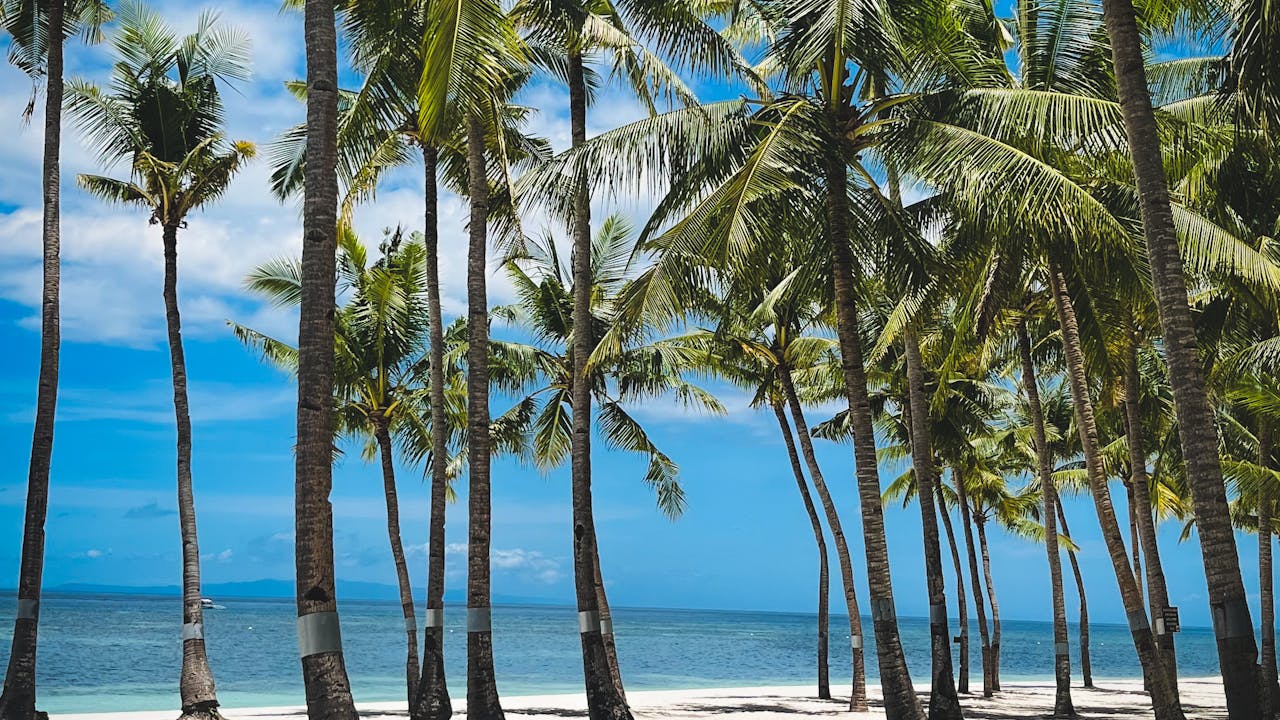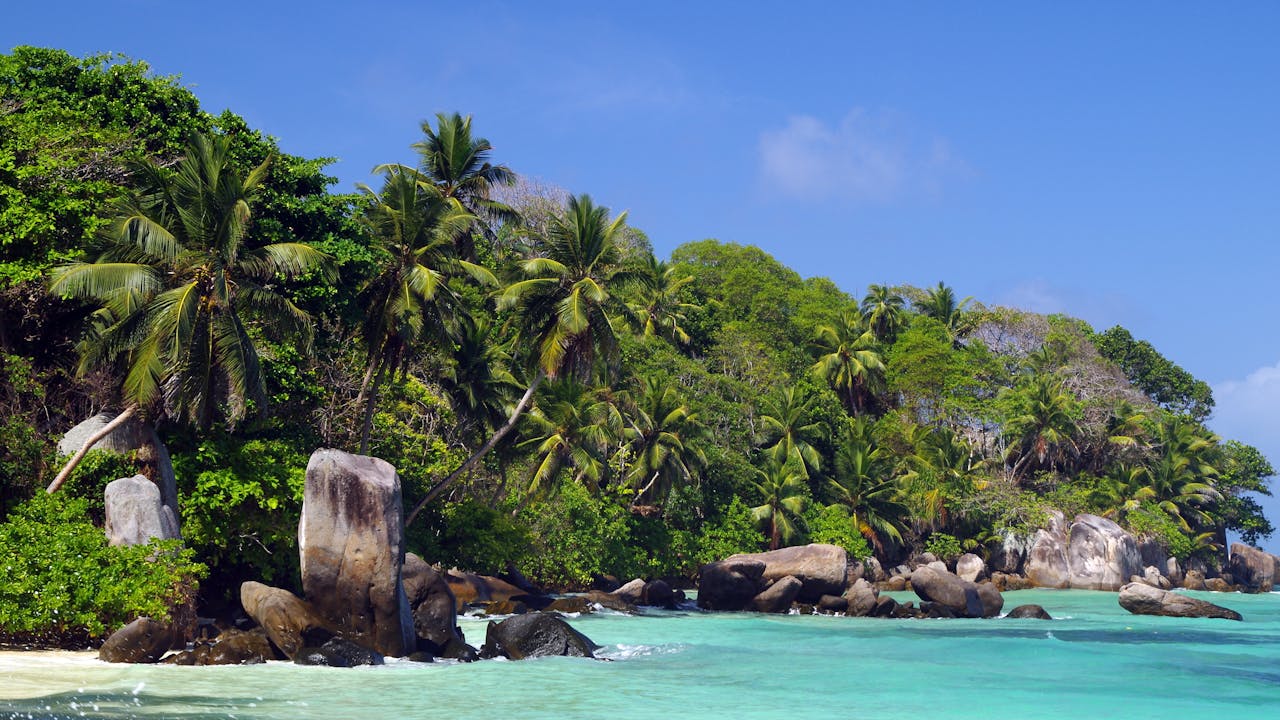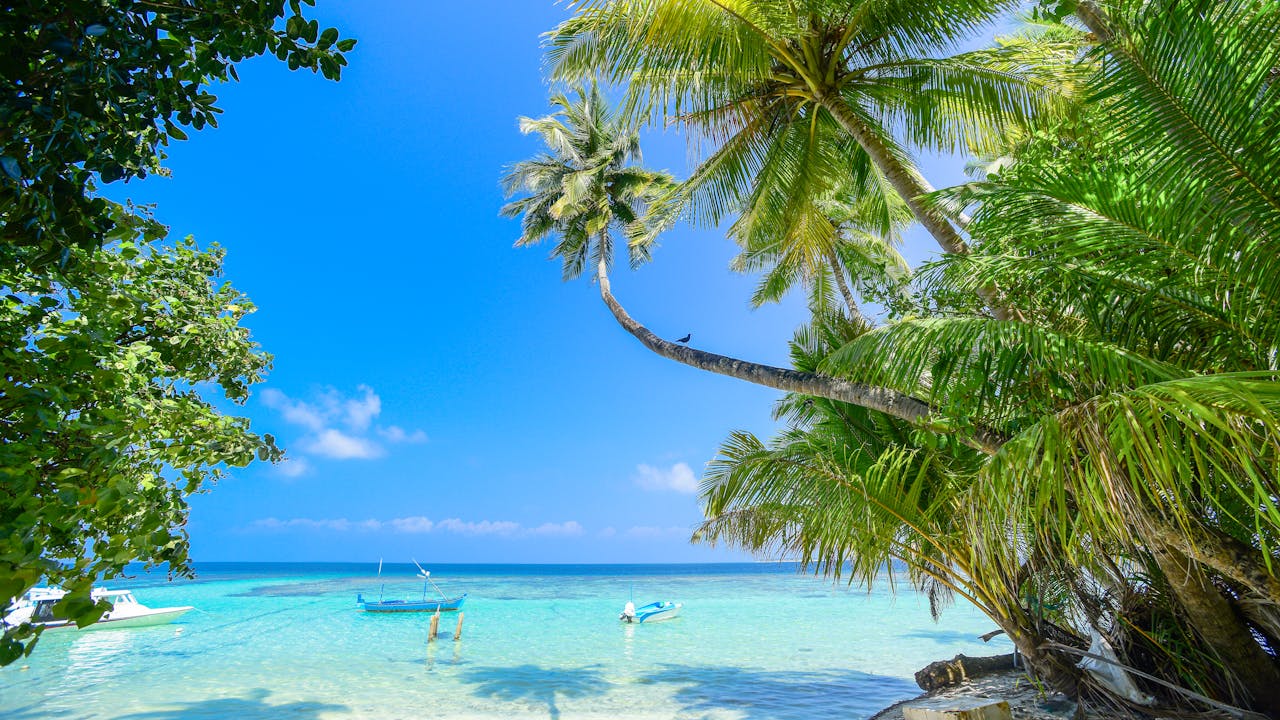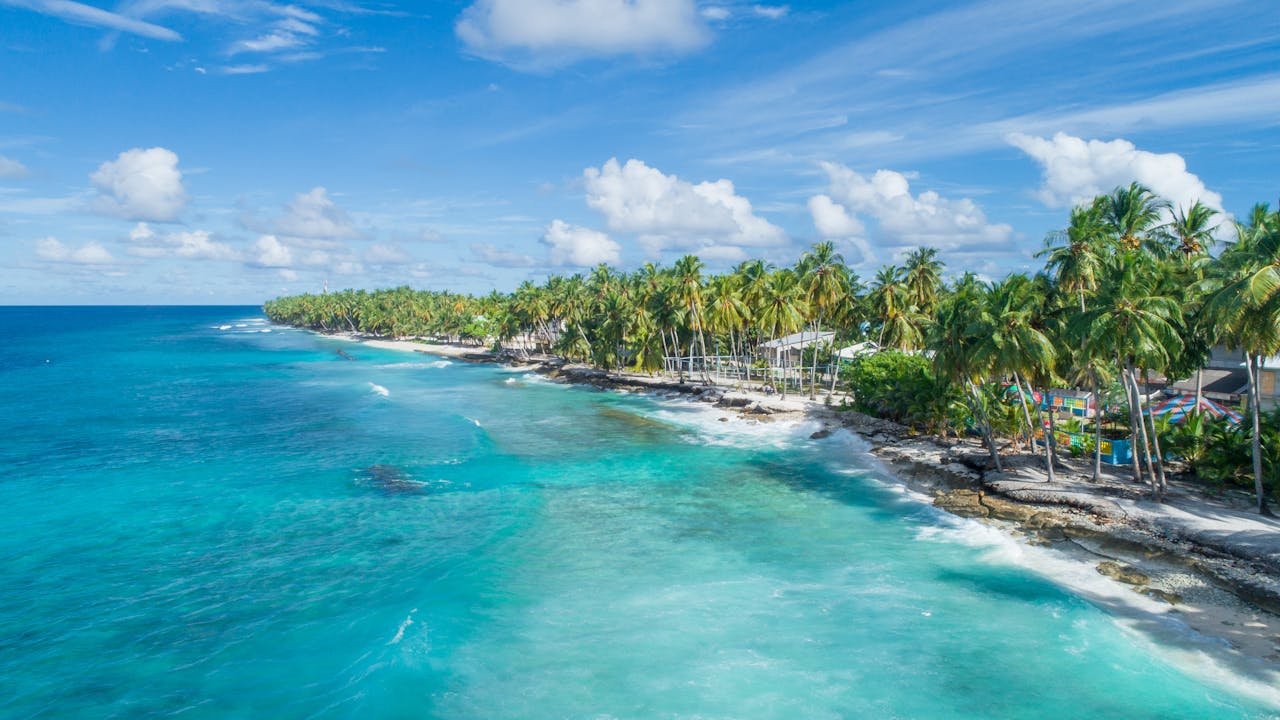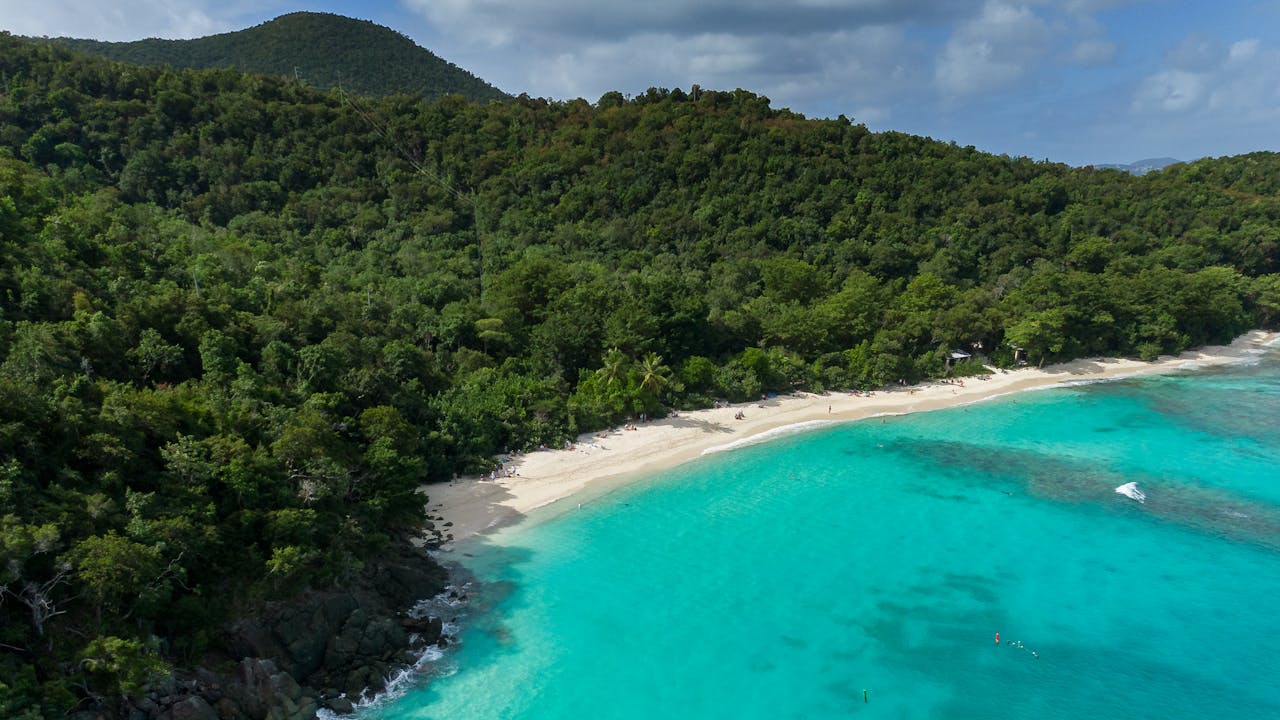


Tourism activity in the U.S. Virgin Islands reached unprecedented levels during the first quarter of 2026, signaling strong demand for Caribbean travel and generating substantial revenue for government coffers at a time when residents face persistent challenges in healthcare, education and public safety.
The spike in visitor numbers comes as local leaders face mounting pressure to demonstrate how increased tourism dollars will address longstanding community needs. For years, residents have questioned whether the territory’s tourism-dependent economy translates into meaningful public investment or simply enriches a narrow slice of hospitality businesses.
The first-quarter performance marks a significant turnaround from economic uncertainty that plagued the islands in recent years. Higher visitor volumes mean increased airport traffic, hotel occupancy rates and cruise ship arrivals—the primary drivers of territorial tax revenue. Government officials have touted tourism growth as essential to the USVI’s financial recovery and long-term stability.
Yet the relationship between tourism prosperity and resident welfare remains complicated. Hospitality sector jobs often pay modest wages, and housing costs have climbed faster than local wages, pricing out workers from the very industry fueling the economy. Healthcare systems remain strained, with residents frequently traveling off-island for specialized medical care. Public schools face budget constraints that limit programs and facility improvements.
The territory’s reliance on tourism creates both opportunity and vulnerability. A single hurricane season, pandemic surge or economic downturn can devastate an economy built on visitor spending. Diversification efforts—including renewable energy, technology sectors and value-added agriculture—have progressed slowly, leaving the USVI exposed to tourism market swings.
First-quarter results typically reflect holiday travel and winter escape bookings, making the period a strong baseline for annual projections. Tourism officials expect momentum to continue through spring and summer months, though shoulder seasons traditionally show lower visitor numbers than winter peaks.
The spending patterns of first-quarter visitors matter as much as volume. Cruise passengers and budget-conscious travelers generate less per-capita revenue than stay-over visitors who book hotels and rent villas for week-long trips. Visitor demographics also influence economic impact—younger travelers may spend less on dining and entertainment than affluent retirees or families planning extended vacations.
Government budgets depend heavily on hospitality taxes, property transfers in high-value real estate markets and business license fees tied to tourism infrastructure. When visitor numbers climb, tax collections theoretically expand, providing resources for deferred maintenance, workforce development programs and social services.
However, converting tourism revenue gains into tangible community benefits requires deliberate policy choices. The territorial government must prioritize spending on public goods that directly improve resident quality of life rather than allowing revenue to dissipate in administrative overhead or cronyist contracting.
Environmental stewardship presents another challenge tied to tourism growth. Increased visitor volume strains beaches, coral reefs, freshwater systems and waste management infrastructure. Popular beaches on St. Thomas and St. John show signs of overuse, and marine ecosystems face pressure from boat anchoring, snorkeling crowds and coastal runoff.
Community leaders are watching closely to see whether the government channels increased revenue into infrastructure improvements, educator salaries, preventive healthcare programs and emergency services—areas where USVI residents have experienced persistent underinvestment.
The next several months will reveal whether first-quarter gains represent a sustained upward trend or a temporary spike. Either way, residents expect transparency about how tourism dollars translate into improved public health, safer neighborhoods and stronger schools across the territory.