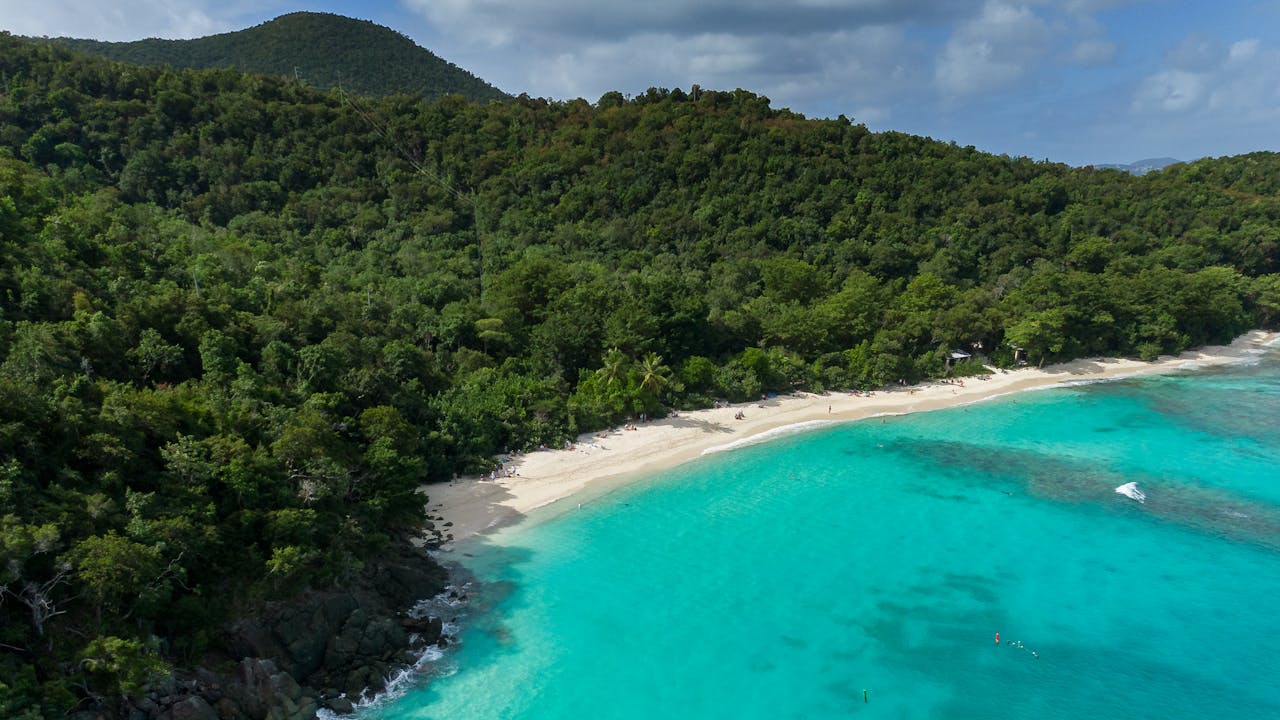

As St. Thomas welcomes an unprecedented surge of tourists in the first quarter of 2026, local businesses are facing a mounting crisis: they cannot find enough workers to meet demand.
The tourism spike, which has delivered record visitor numbers to the U.S. Virgin Islands, is revealing deep labor shortages in hotels, restaurants, retail shops and other service-sector businesses that form the backbone of the territory’s economy. Business owners say they are stretched thin, unable to hire enough staff to maintain service quality or capitalize fully on the booming market.
A Good Problem With Real Consequences
On the surface, record tourism appears to be exactly what the USVI economy needs. More visitors mean more money flowing into local businesses, more tax revenue for the government and more job opportunities for residents. But the current situation is exposing a painful paradox: the biggest tourism season in recent memory is happening at a time when the labor pool cannot absorb the demand.
Hospitality workers are already among the lowest-paid in the territory. Many residents who might otherwise seek service-sector jobs have chosen other work, migrated away or are unable to secure the housing and transportation needed to maintain employment in the tourism industry.
What Businesses Are Experiencing
Across St. Thomas, hotel managers report operating at reduced capacity. Restaurants are limiting dining hours or turning away reservations. Tour operators are turning down bookings. Retail establishments are struggling to staff checkout counters and provide customer service during peak shopping times.
The shortage is not merely an inconvenience. When businesses cannot fully staff their operations, service quality deteriorates. Tourists who arrive expecting premium experiences may receive slower service, longer wait times and less attentive care. That dissatisfaction can damage the territory’s reputation and reduce the likelihood that visitors return or recommend the islands to others.
For residents, the labor crunch creates a different problem. Young islanders seeking entry-level work find fewer positions available due to understaffing across the board. Those already employed in hospitality face burnout from mandatory overtime and increased workloads. And businesses unable to hire additional staff struggle to offer the wage increases that might attract workers.
The Structural Challenge
The root causes run deep. Housing affordability has worsened significantly in recent years, making it difficult for service workers to live on St. Thomas while earning hospitality wages. The cost of living continues to climb. Public transportation remains limited, making commuting to jobs in tourist-heavy areas like Charlotte Amalie difficult for those without personal vehicles.
Additionally, many residents who left the territory during economic downturns have not returned, even as conditions improve. Those who remain often have alternative employment opportunities that offer better pay and benefits than seasonal or service-sector hospitality work.
Questions About Economic Equity
The labor shortage raises questions about who benefits from the tourism boom. If visitors arrive to find degraded service, businesses lose profit potential. If residents cannot access good-paying jobs because positions go unfilled or because working conditions deteriorate under short-staffing, the prosperity generated by tourism remains concentrated among business owners and outside investors rather than flowing broadly through the community.
Some economists and business advocates have called for targeted policies to address the issue, from housing assistance programs for hospitality workers to wage incentives for businesses that hire and retain local staff. Others point to the need for improved job training and apprenticeship programs that can pipeline residents into tourism-sector careers.
What Comes Next
As the spring and summer tourism season approaches, the labor shortage is likely to intensify. Businesses will need to make difficult choices about whether to operate at reduced capacity, invest in automation, raise prices to compensate for staffing costs or attempt to recruit workers from outside the territory.
For the USVI government and business community, the moment demands action. Record tourism is a rare opportunity, but only if the territory can build a workforce that allows businesses to deliver the experiences that keep visitors coming back and ensures that residents share equitably in the economic gains.