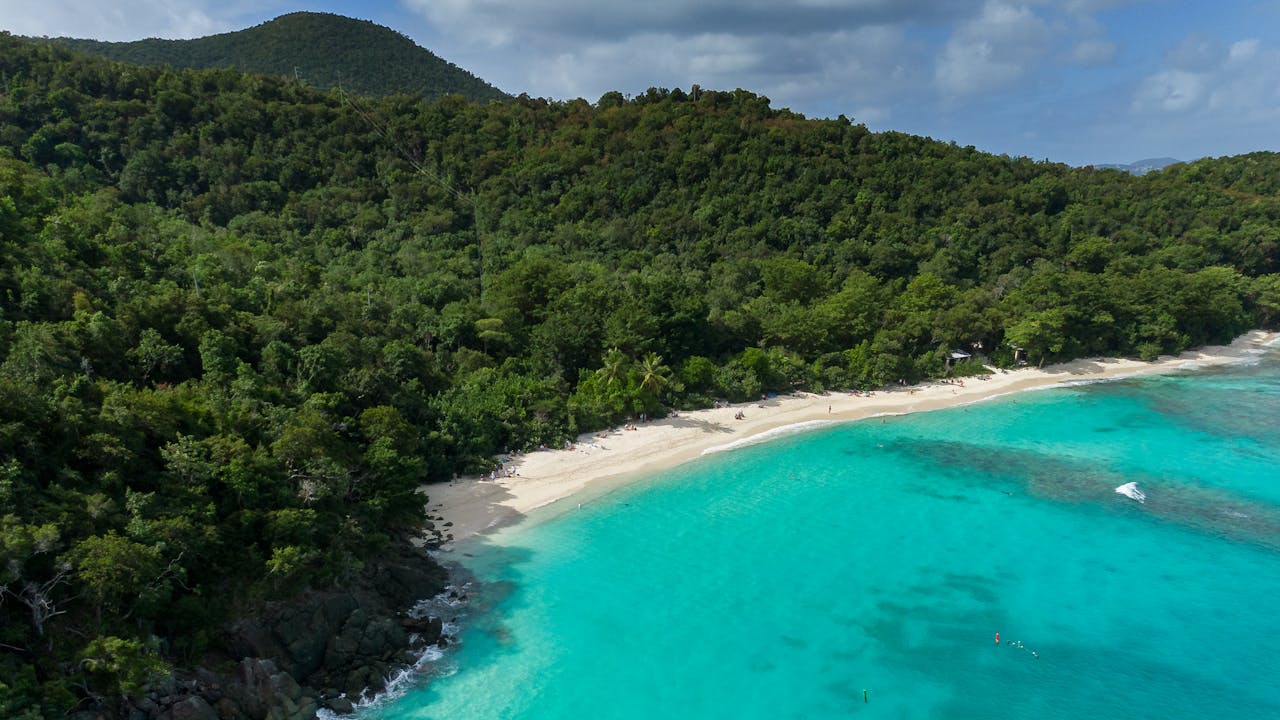


A heat advisory affecting the U.S. Virgin Islands through this afternoon is raising concerns about worker safety in outdoor industries, particularly construction and landscaping sectors where employees face extended exposure to high temperatures and humidity.
The National Weather Service alert highlights a seasonal challenge for USVI workers and employers in heat-sensitive fields. Conditions that trigger such advisories can lead to heat exhaustion and heatstroke if proper precautions are not in place, making workplace safety protocols critical during peak heat hours.
Construction projects across St. Thomas and the wider territory often run during daylight hours when temperatures peak. Landscaping crews, utility workers, and outdoor maintenance staff face similar exposure risks. Unlike indoor workforces with access to climate-controlled environments, these employees depend heavily on employer-provided safety measures and their own awareness of heat-related illness warning signs.
Heat advisories are issued when meteorological conditions create risks especially for vulnerable populations. However, the USVI workforce—including individuals without adequate cooling access at home or regular hydration routines—remains susceptible to heat illnesses regardless of age or baseline health status. Some workers may push through discomfort to meet project deadlines or income needs, potentially masking early symptoms of heat stress.
Best practices for employers include scheduling work during cooler morning or evening hours when feasible, providing shaded rest areas on job sites, ensuring abundant clean water is available, and enforcing regular breaks. Training supervisors to recognize heat exhaustion symptoms—dizziness, nausea, weakness, excessive sweating—allows early intervention before conditions worsen.
The territory’s healthcare system also faces strain during sustained heat events. Emergency departments may see upticks in heat-related complaints, diverting resources from other patient care needs. The Virgin Islands Department of Health encourages residents and employers to take heat advisories seriously rather than view them as routine weather announcements.
Workers themselves should stay hydrated throughout the day, avoid prolonged sun exposure without protection, and report symptoms of heat illness to supervisors immediately. Seeking shade or air-conditioned spaces during breaks can prevent cumulative heat stress that builds over the workday.
USVI employers who fail to implement basic heat safety measures may face liability if workers suffer preventable illnesses. As extreme heat events become more frequent across the Caribbean region, establishing workplace heat safety standards now positions businesses to protect their workforce and operations long-term.