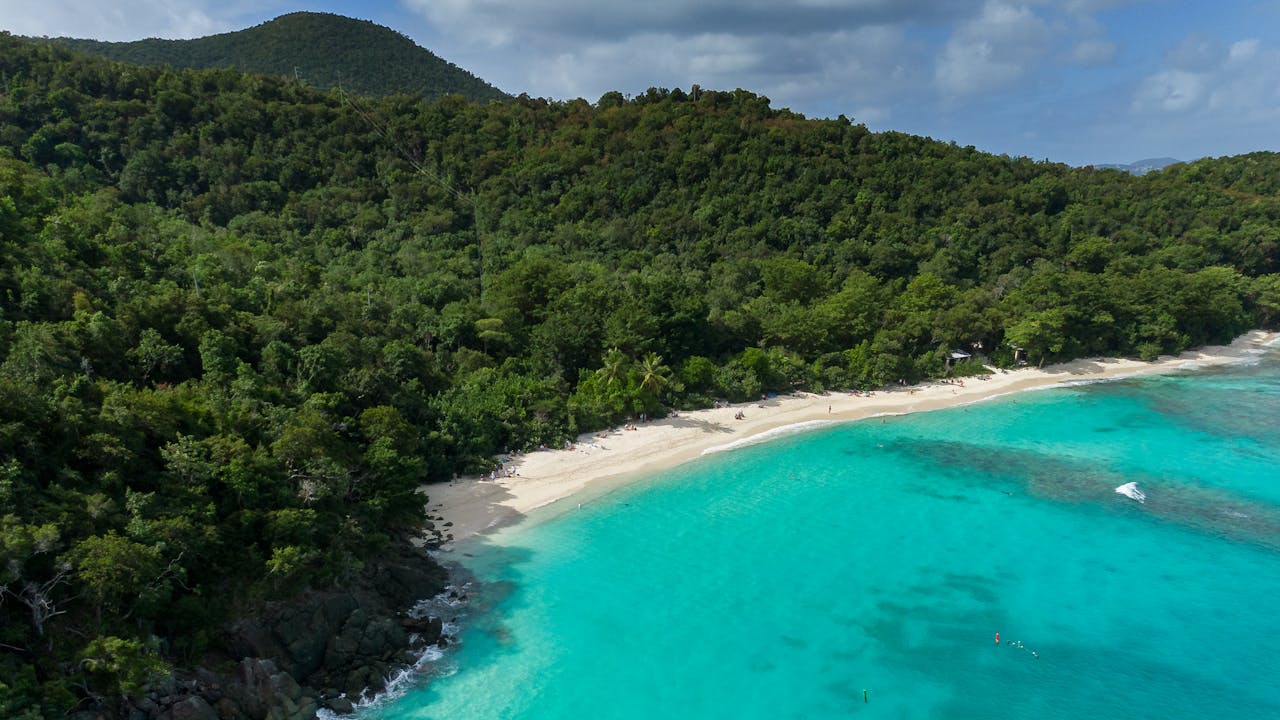

St. Thomas is welcoming more tourists than ever before, but the island’s aging roads, water systems, and electrical grid are showing signs of strain under the weight of increased visitor demand.
The first quarter of 2026 brought record-breaking visitor numbers to the territory, a milestone that has tourism officials celebrating while residents and local leaders grapple with a harder question: can the island’s infrastructure handle sustained growth without degrading quality of life for those who live here year-round?
The Infrastructure Challenge
St. Thomas has long relied on tourism as an economic engine, but the infrastructure supporting both residents and visitors has not kept pace with demand. Main thoroughfares like Hospital Ground and Veteran’s Drive regularly experience congestion during peak tourist seasons. Power outages and water shortages have become recurring inconveniences for residents, particularly in summer months when both cooling demands and visitor usage spike simultaneously.
The Public Utilities Commission operates power plants and water systems designed for a smaller population. Adding tens of thousands of additional visitors to the island’s daily load strains these systems to their limits. A single major storm or equipment failure can leave entire neighborhoods without electricity or running water for days.
Road infrastructure tells a similar story. Many streets in Charlotte Amalie and across the eastern side of the island feature potholes, inadequate drainage, and narrow lanes that were never engineered for modern traffic volumes. Cruise ship days—when multiple vessels dock simultaneously—can overwhelm the limited parking and transportation options available to visitors and residents alike.
Water and Power Pressures
St. Thomas depends on reverse osmosis plants and a complex distribution system to provide fresh water to residents and hotels. Hotels routinely consume more water per guest than residential users, a reality that becomes acute during dry spells. The territory has experienced several drought periods in recent years, making water security a genuine concern as tourism numbers climb.
Power generation relies primarily on diesel fuel imported at global market prices. When tourism surges, hotel occupancy rates approach saturation, driving up electricity consumption precisely when cooling loads are highest. This combination pushes generating capacity to its edge and increases operational costs that ultimately affect residents through utility rates.
A Local Impact
For St. Thomas residents, record tourism arrivals translate into mixed outcomes. The hospitality sector creates jobs and tax revenue that support government services. Yet the same growth that brings employment also brings traffic congestion, crowded public spaces, environmental pressure on beaches and marine areas, and competition for limited resources like water and power.
Local business owners in retail and dining sectors benefit from visitor spending, but small-scale fishermen report that cruise ship passenger volumes have altered beach access and marine ecosystem health. Families living in neighborhoods near popular tourist attractions report increased noise and disrupted quality of life during high-occupancy periods.
Investment Gaps
Updating St. Thomas’s infrastructure requires significant capital investment. Road resurfacing and widening projects, desalination plant expansion, and power generation upgrades carry multimillion-dollar price tags. The territorial government operates under budget constraints, and federal infrastructure funding has limitations on eligibility and scope.
Without deliberate planning and investment, the economic benefits of tourism growth risk being offset by deteriorating conditions that ultimately discourage both visitors and long-term resident satisfaction. Hotels and attractions depend on reliable services to maintain their reputation. Residents depend on those same systems to maintain their standard of living.
Looking Forward
The challenge ahead is not whether to welcome tourists—the economic case for that is clear. The challenge is ensuring that growth in visitor numbers is matched by corresponding investment in the systems that support them. That requires coordination between government agencies, private sector stakeholders, and community voices to prioritize infrastructure modernization alongside tourism expansion.