

The Committee on Housing, Transportation and Telecommunications reviewed proposed legislation in April aimed at establishing standards for roadside property maintenance and vegetation control across the territory.
The measure, examined during an April 8 committee meeting, represents a potential shift in how the U.S. Virgin Islands approaches the upkeep of public roadways and adjacent properties. For residents and business owners on St. Thomas and St. John, the outcome could affect everything from commute quality to the first impression visitors get when arriving on island.
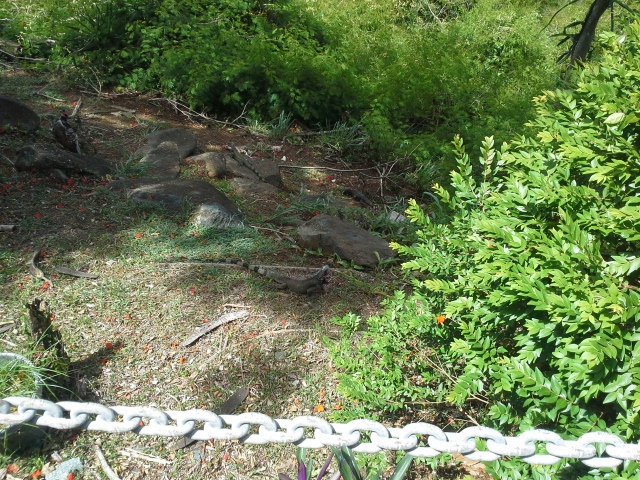
Overgrown vegetation, abandoned properties, and poorly maintained roadsides have long frustrated island residents. Social media complaints about deteriorating conditions in neighborhoods and along major thoroughfares surface regularly. A formal framework for roadside maintenance could address those concerns while supporting economic goals tied to tourism and local commerce.
The legislation also proposes establishing an inspection and safety fund, suggesting the territory intends to back enforcement efforts with dedicated resources. Committee chair Marvin A. Blyden, representing St. Thomas and St. John, oversaw the discussion, signaling that the issue has gained traction among sitting legislators.
The connection between roadside appearance and economic vitality is straightforward. Tourists traveling between the airport and hotels, restaurants, and attractions form impressions based on what they see. Residents driving to work or school daily experience the quality of their immediate surroundings. Property values can shift based on neighborhood conditions. A cleaner, better-maintained streetscape sends a message about community pride and municipal competence.
Vegetation management also carries practical benefits. Overgrown plants can obstruct sight lines at intersections, creating safety hazards. They can damage road surfaces and utility lines. Abandoned properties with unmaintained landscaping become eyesores and potential breeding grounds for pests. A roadside maintenance act could establish clear responsibility for upkeep and consequences for neglect.
The specifics of what the proposed legislation would require remain under review. Details about which properties fall under the mandate, how enforcement would work, and what penalties exist for non-compliance will shape its real-world impact. Some property owners may face new obligations; municipalities may need additional staff or funding to monitor compliance.
The timing coincides with the legislature’s broader fiscal year 2026 budget cycle. The Committee on Budget, Appropriation and Finance will ultimately determine whether an inspection and safety fund receives adequate funding. Without resources, even well-intentioned legislation struggles to achieve results.
Residents watching this issue should pay attention to how the full legislature responds. The bill has passed committee review and entered the broader legislative process. Committee meetings and session schedules are publicly available through the Legislature of the United States Virgin Islands website, allowing constituents to track progress and weigh in with their representatives.
For St. Thomas particularly, where tourism dollars matter and residents have expressed frustration with deteriorating conditions in some neighborhoods, this measure offers a potential tool to improve quality of life and economic vitality. Whether it becomes law and how effectively it gets implemented will determine whether the effort translates into visible change on island streets.