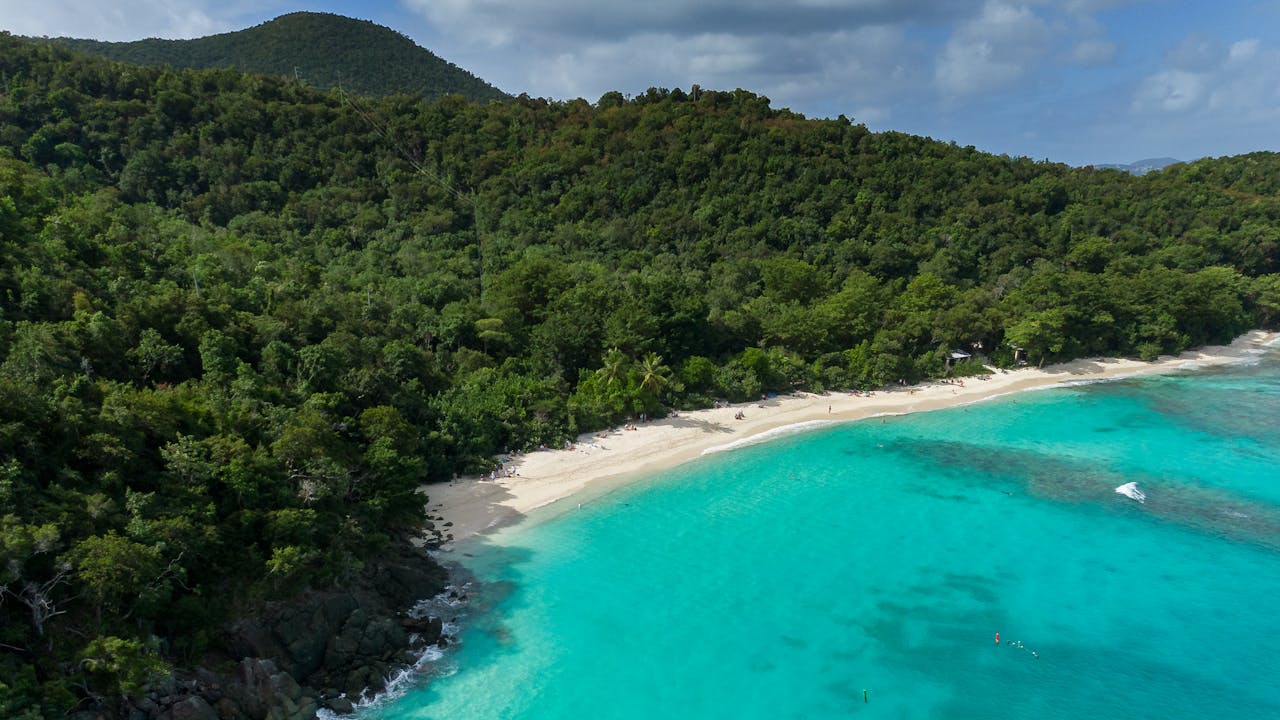


A powerful ocean swell moving in from the north is creating dangerous swimming conditions across St. Thomas and St. John through Thursday, with the National Weather Service warning of life-threatening rip currents that pose risks even to experienced swimmers.
The hazardous conditions stem from a long-period north to northwest swell that will influence Atlantic waters through Thursday afternoon, pushing elevated surf heights across beaches facing the northern shores of both islands. Residents and visitors planning to enter the water should be aware that rip currents—narrow channels of strong water flow moving away from shore—can develop suddenly and pull swimmers into deeper water with little warning.
Understanding the Risk
Rip currents represent one of the ocean’s most deceptive hazards. Unlike undertow, which pulls swimmers downward, a rip current moves horizontally away from shore with sufficient force to overcome even skilled swimmers’ attempts to return to the beach. The combination of heightened swell and increased water movement creates conditions where people can quickly find themselves exhausted or disoriented.
The north-facing beaches most affected include popular swimming and recreation areas on both islands. Culebra, located between Puerto Rico and St. Thomas, also faces elevated risk during the same timeframe.
Practical Safety Guidance
Swimmers who find themselves caught in a rip current should avoid the instinct to swim directly toward shore against the current, a response that typically results in fatigue and panic. Instead, water safety experts recommend swimming parallel to the shore until outside the current’s influence, then turning toward land at an angle.
For those uncertain about ocean conditions or their swimming abilities, the safest option during high rip current risk is to avoid entering the water entirely. Beach observers may notice increased turbulence, churning water patterns, or discolored water indicating strong currents—all visual cues to exercise heightened caution or stay ashore.
Impact on Water Activities
Beyond recreational swimmers, the swell and rip currents affect boaters and water sports enthusiasts navigating near shore. The increased surf heights and lateral water movement can compromise boat handling and create navigation hazards for smaller vessels. Anyone planning water activities should monitor conditions closely and consider postponing outings if uncertain about their ability to respond to changing circumstances.
The timing of the advisory—Thursday morning through afternoon—gives residents a narrow window to adjust plans. Those with flexibility should consider beach activities on different days or relocate to south-facing shores, which typically experience calmer conditions when northern swells dominate.
Looking Ahead
The National Weather Service continues to monitor ocean conditions, and updated forecasts may be issued as the swell develops. Residents should check official weather alerts through Thursday to confirm when hazardous conditions are expected to diminish, allowing a safer return to normal beach use.